Winter in Traditional Chinese Medicine
In Traditional Chinese Medicine (TCM) winter is understood as a sacred pause, a season designed for rest, conservation, and deep restoration. As nature grows quiet and energy turns inward, TCM teaches that our bodies and minds are meant to follow the same rhythm. Rather than pushing forward, winter invites us to slow down, replenish our reserves, and prepare the foundation for future growt
When we align with the wisdom of winter in TCM we support longevity, resilience, and overall wellbeing. In TCM, winter is not a season to push through, it’s a season to turn inward. Nature slows, the earth becomes quiet, and life conserves its energy beneath the surface. TCM teaches that humans are no different. When we align our lifestyle with winter’s rhythm, we support deeper healing, resilience, and long-term vitality.
Winter invites us into rest, recuperation, and restoration, not as indulgences, but as necessities.

The Energy of Yin During Winter
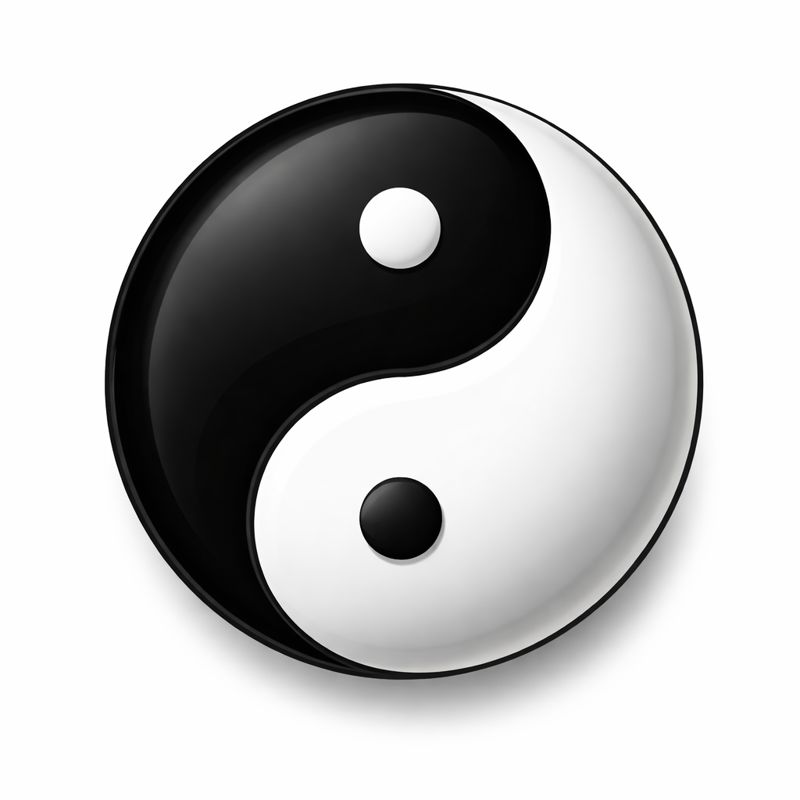
Winter in Traditional Chinese Medicine, is a time when the dominant force is Yin energy; cool, still, nourishing, and inward-moving. Yin governs rest, reflection, and storage. This is the season when life retreats beneath the surface, conserving energy rather than expressing it outwardly.
Winter is associated with the Kidney system in TCM, which stores Jing, or essence. Jing is considered our deepest vitality reserve, influencing growth, reproduction, aging, and immunity. Chronic stress, lack of rest, and overexertion during winter are believed to deplete this essence, leading to fatigue and imbalance. Honouring winter means aligning with nature:
Protecting and conserving your energy rather than spending it.
Rest as Medicine in the Winter Season
During winter in Traditional Chinese Medicine, rest is not optional, it is a necessity. This season supports deeper sleep and cellular repair, making rest one of the most powerful forms of medicine available.

.
Support winter rest by:
- Going to bed earlier and allowing slower mornings
- Creating quiet evenings with reduced stimulation
- Letting go of unnecessary commitments and pressure
Rest during winter nourishes Yin, stabilises emotions, and strengthens immunity. Where summer emphasises action and expression, winter emphasises integration and recovery.
Nourishment and Recuperation During Winter
Recuperation in winter in Traditional Chinese Medicine focuses on warmth, nourishment, and digestion. Cold is considered a pathogenic influence in TCM and is thought to slow circulation and weaken digestive fire.
To support the body during winter:
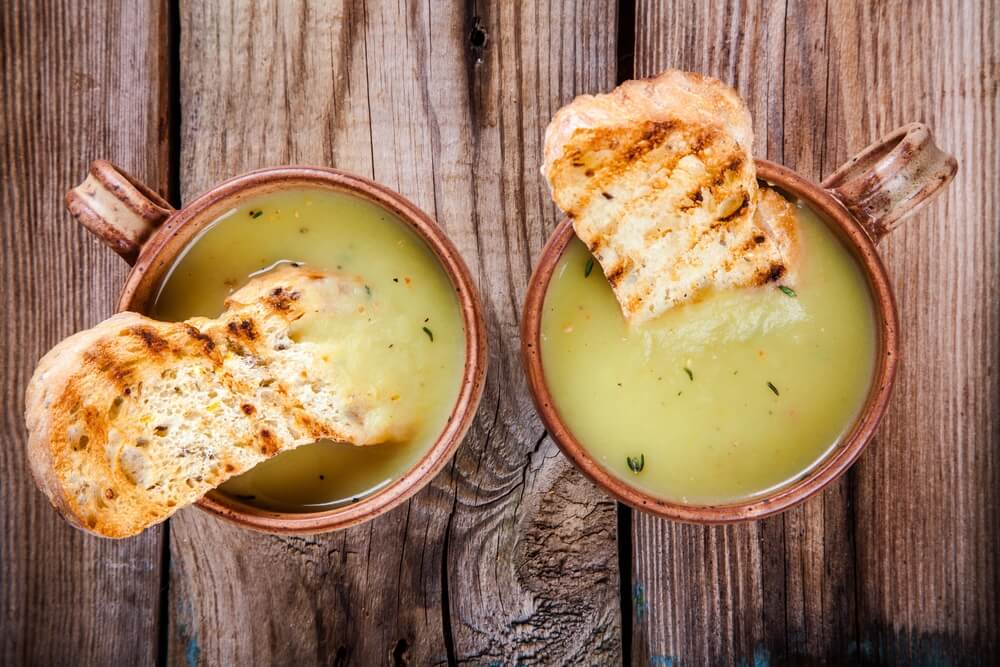
- Choose warm, cooked foods such as soups, stews, congee, and root vegetables
- Use gentle warming spices like ginger, cinnamon, cloves, and garlic
- Drink warm teas instead of cold beverages
- Keep the lower back, neck, and feet protected from cold
Winter is not the season for harsh cleanses or restriction. Instead, it is a time for steady, grounding nourishment that rebuilds the body from within.
Emotional and Spiritual Restoration in Winter
Beyond the physical body, winter in Traditional Chinese Medicine supports emotional and spiritual restoration. The Kidney system is associated with the emotion of fear, including anxiety and uncertainty about the future.
Winter offers an opportunity to meet these emotions with compassion rather than distraction. Quiet reflection allows what has been unprocessed during the year to gently surface and resolve.

.
Restorative winter practices may include:
- Journaling or contemplative writing
- Meditation, breathwork, or mindful stillness
- Reducing screen time and external noise
- Allowing solitude without isolation
In stillness, insight arises. Winter reminds us that clarity often emerges when we stop striving.
Gentle Movement during Winter
Movement remains important during winter, but it should be slow, intentional, and conserving rather than exhausting.
Recommended winter practices include:
- Tai chi or qigong
- Gentle yoga and stretching
- Short, mindful walks in daylight
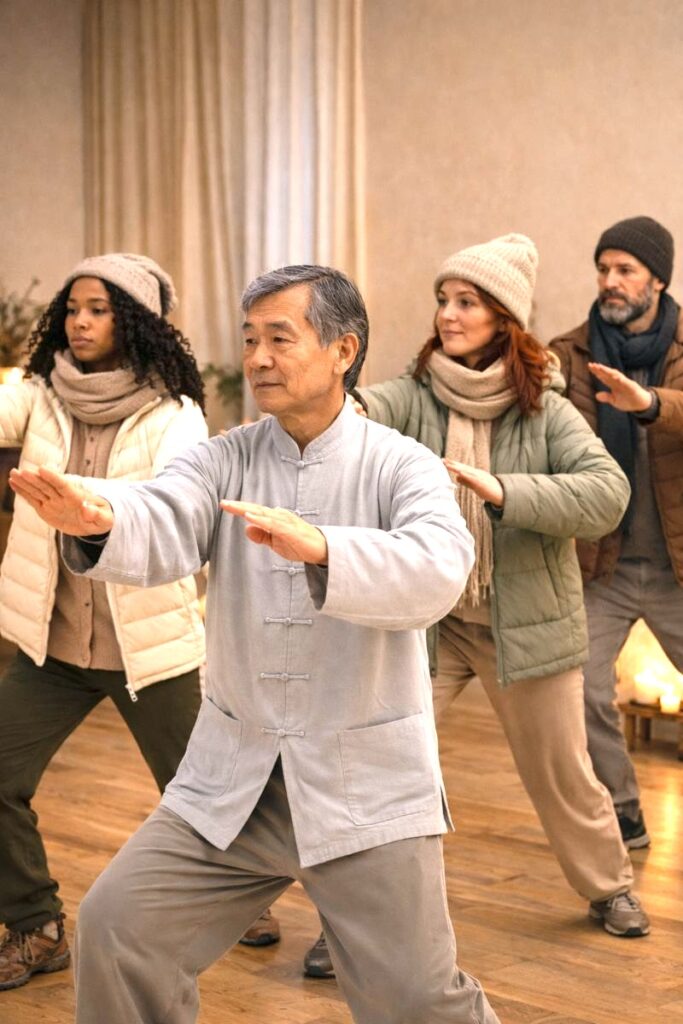
These practices circulate energy without draining it, supporting joint health, circulation, and emotional balance during the colder months.
Winter as Preparation for Spring
In Traditional Chinese Medicine, the winter season is known as the time of storage. What is conserved and nourished now becomes the root of vitality in spring.
Those who honour winter often experience:
- Stronger immunity
- Greater clarity and focus
- Renewed energy in spring
- Improved emotional resilience
Winter teaches that growth does not happen without rest.
A Closing Reflection
Modern culture often resists winter’s wisdom, urging productivity at all costs. TCM offers a gentler truth: healing happens in the quiet, strength is built in stillness, and restoration begins when we allow ourselves to slow down. This winter, consider asking not “What more can I do?” but,
“What can I give myself permission to release?”
.
Rest is not an interruption to living, but a fundamental part of life’s natural rhythm.
.
.
.
.
.